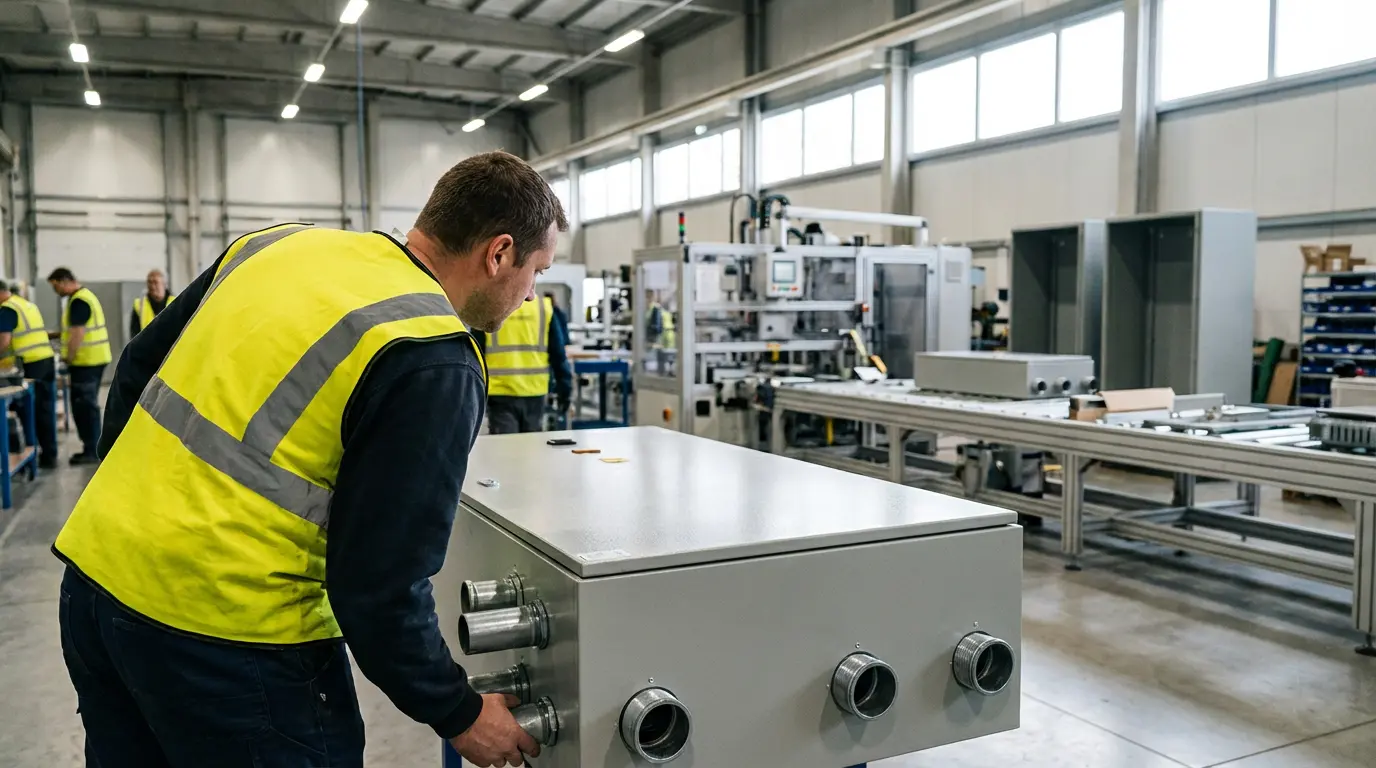
The problem wasn’t the certifications. It was everything those certifications don’t measure: responsiveness, consistency between batches, and whether the factory actually cared about a 150-unit order the same way they cared about the 2,000-unit contract with someone else.
Here’s what I’ve learned evaluating enclosure manufacturers: manufacturing excellence isn’t about checking boxes on a standards list. It’s about observable behaviors that predict how your orders will actually turn out.
Manufacturing Excellence in 30 Seconds
- Response time during quoting predicts responsiveness during production problems
- Look for ≥95% on-time delivery rates and reorder rates above 30%
- Sample quality means nothing if batch consistency isn’t documented
- Red flags include vague lead times, resistance to samples, and communication delays
- Ask specific questions about QC process—vague answers signal trouble ahead
Why Price Alone Tells You Nothing About Quality
One pattern I see repeatedly in industrial sourcing: buyers focus exclusively on unit price, only to discover their manufacturer takes weeks to respond to technical questions. The result? Projects delayed 3-6 months while waiting for clarifications or rework. That “savings” evaporates fast.
Let me be clear about something. A $45 enclosure that arrives on time, meets spec, and fits your installation is cheaper than a $32 enclosure that requires rework, delays your project, and generates warranty claims down the line.
$99 million
maximum cost per recall event due to quality failures in US manufacturing
According to a research on manufacturing quality, product recalls due to poor quality cost manufacturers up to $99 million per event in the US. That’s an extreme case, sure. But the principle scales down: hidden quality costs almost always exceed the visible price difference between suppliers.
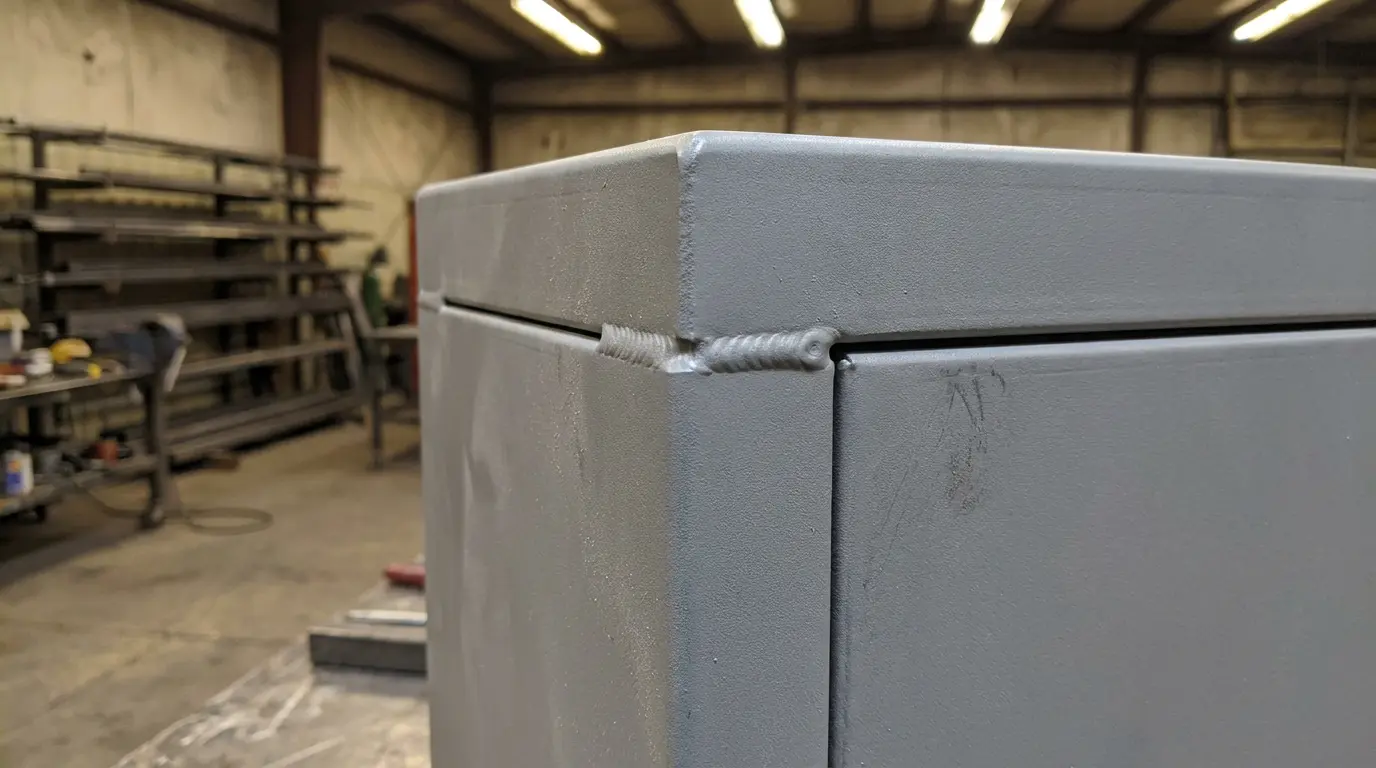
What actually matters? Looking past the quote to the behaviors that predict outcomes. A manufacturer who responds to quote modifications within 24 hours will probably respond to production issues the same way. A manufacturer who takes a week to clarify specifications? Expect the same delays when something goes wrong mid-production.
The 5 Markers That Actually Predict Manufacturing Excellence
Forget the 47-point quality checklists. In my experience evaluating manufacturers, five observable markers predict about 80% of outcomes. Everything else is noise.
The 5 Markers That Predict Excellence
- Response Time During Quoting
According to 2025 supplier evaluation benchmarks, average response times of ≤2 hours signal reliability. If they’re slow now when they’re trying to win your business, imagine how they’ll treat you after the contract is signed.
- On-Time Delivery Track Record
Prioritize suppliers with ≥95% on-time delivery rates. This isn’t just about convenience—it’s about operational discipline. Manufacturers who hit delivery targets consistently have their processes under control.
- Reorder Rate Above 30%
Customer retention doesn’t lie. If a significant portion of orders come from repeat customers, quality is probably consistent. New customers can be fooled by good samples. Returning customers can’t.
- Sample-to-Production Consistency Documentation
Any decent manufacturer can produce one perfect sample. The question is whether they can maintain that quality across 200 units. Ask for QC documentation showing how they verify batch consistency—not just final inspection, but in-process checks.
- Willingness to Handle Smaller Orders
How a manufacturer treats a 50-unit order tells you everything about their operational flexibility. Finding a reliable electrical enclosure manufacturer who gives smaller projects the same attention as large contracts is rare—but it’s a strong indicator of overall quality culture.
This list isn’t complete, and your specific application might require additional criteria. But these five? Get these right, and the rest usually follows.
Red Flags That Signal Problems Before They Happen
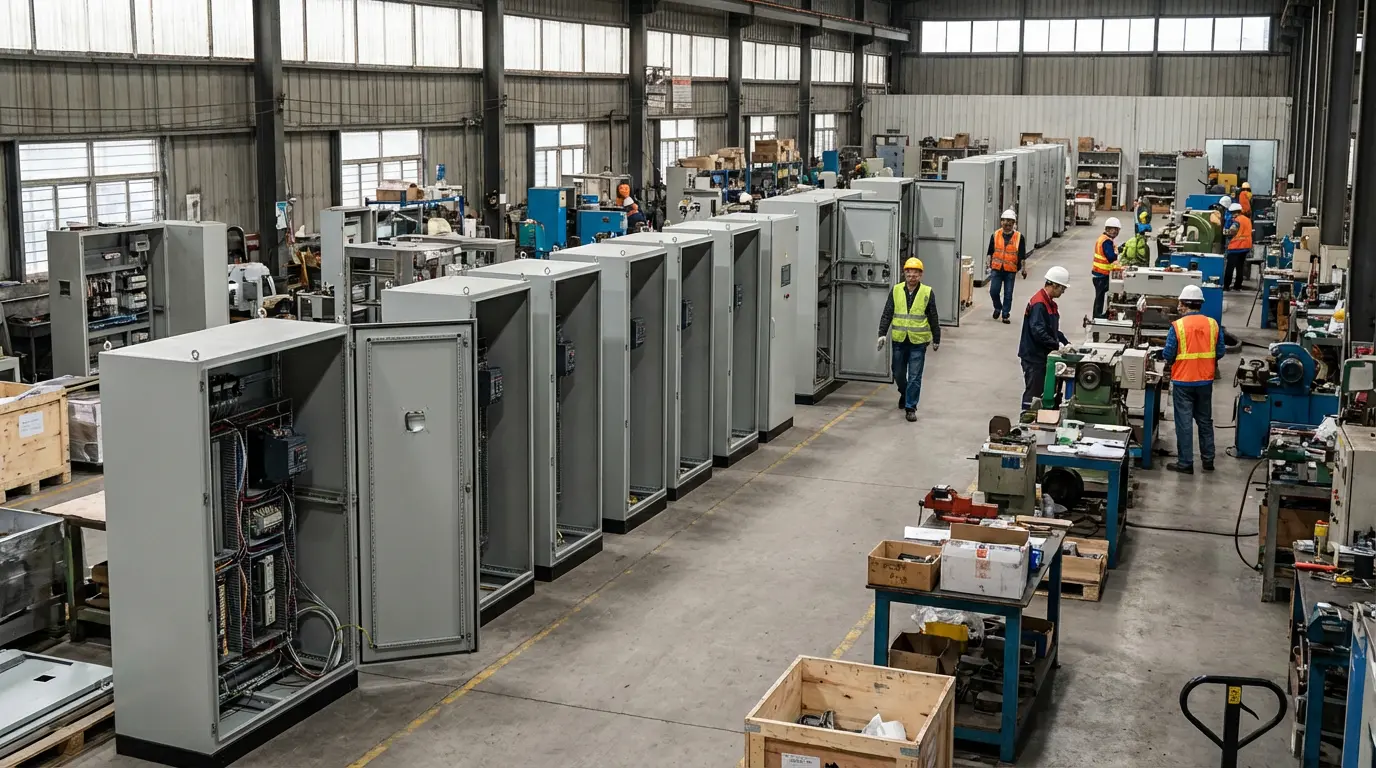
I consulted with a procurement director last year on their enclosure sourcing strategy. They needed 200 custom enclosures for a facility expansion. The first supplier couldn’t maintain consistency after sample approval. Three rounds of corrections. Eight-week delay. They finally switched suppliers mid-project, which worked—but at 15% higher cost due to the rush timeline.
The cheapest quote is rarely the cheapest outcome. Here’s what should have triggered alarm bells earlier.
Red Flags That Signal Trouble Ahead
Vague lead time estimates (“depends on our schedule”) almost always mean inconsistent capacity planning. Resistance to producing samples before large orders suggests either quality concerns or unwillingness to invest in the relationship. And communication delays during the quoting phase? Those don’t improve after you sign.
According to quality control trends, manual visual inspection has up to 30% defect miss rates due to inspector fatigue or poor lighting conditions. If a manufacturer can’t explain their QC process beyond “we check every unit,” that’s a red flag. Modern quality control requires systematic documentation, not just eyeballs at the end of the line.
Pre-Order Verification Points
- Verify response time during initial contact (target: under 48 hours)
- Request sample production timeline in writing (standard: 7-15 days)
- Ask for QC documentation format they provide with each batch
- Confirm whether they own their manufacturing facility or subcontract
- Request references from customers with similar order volumes
These verification points connect directly to broader quality assurance standards for products—but applied specifically to the supplier evaluation context where they actually predict outcomes.
Questions That Reveal a Manufacturer’s True Capabilities
Most buyers ask generic questions and get polished marketing answers. Here’s how to get real information.
Questions That Reveal True Capabilities
“What happens when you find a defect mid-production run?”
Excellent manufacturers have a documented process for this. They should describe containment, root cause analysis, and customer notification timelines. Vague answers like “we fix it” suggest reactive rather than systematic quality management.
“Can you show me your testing records for NEMA/IP rating compliance?”
According to industry quality standards, salt spray testing per ASTM B117 should demonstrate minimum 1,000 hours to 5% surface rust for industrial-grade enclosures. Manufacturers who can produce this documentation have verified their claims. Those who can’t? Proceed with caution.
“What’s your on-time delivery rate over the past 12 months?”
Any number below 95% deserves follow-up questions. And if they can’t provide a specific number at all, that tells you something about their operational tracking.
“How do you ensure consistency between sample approval and production units?”
Listen for specifics: first-article inspection procedures, in-process quality checks, statistical process control, measurement documentation. Generic answers about “experienced operators” aren’t enough for mission-critical applications.
Practical tip: Pay attention to how they answer as much as what they answer. Manufacturers who pause, ask clarifying questions, or offer to send documentation are usually more trustworthy than those with instant polished responses to everything.
For manufacturers looking to build supplier excellence into their operations as a competitive advantage, these evaluation principles connect directly to broader growth strategies for your business.
Your Next Step
Frankly, most of this comes down to one thing: observable behavior predicts future performance. Certificates are baseline requirements, not differentiators. What matters is how a manufacturer communicates, documents, and responds when things don’t go perfectly—because they never do.
Before your next supplier conversation, pick three questions from this article that matter most for your application. Their answers—and how they answer—will tell you more than any brochure.